
Join me every Monday at 11 am Eastern to draw and chat on Instagram Live (click on my circle story icon to watch)!
A PERPETUAL JOURNAL PRACTICE
•
A PERPETUAL JOURNAL PRACTICE •
NEW BOOKA PERPETUAL JOURNAL PRACTICE
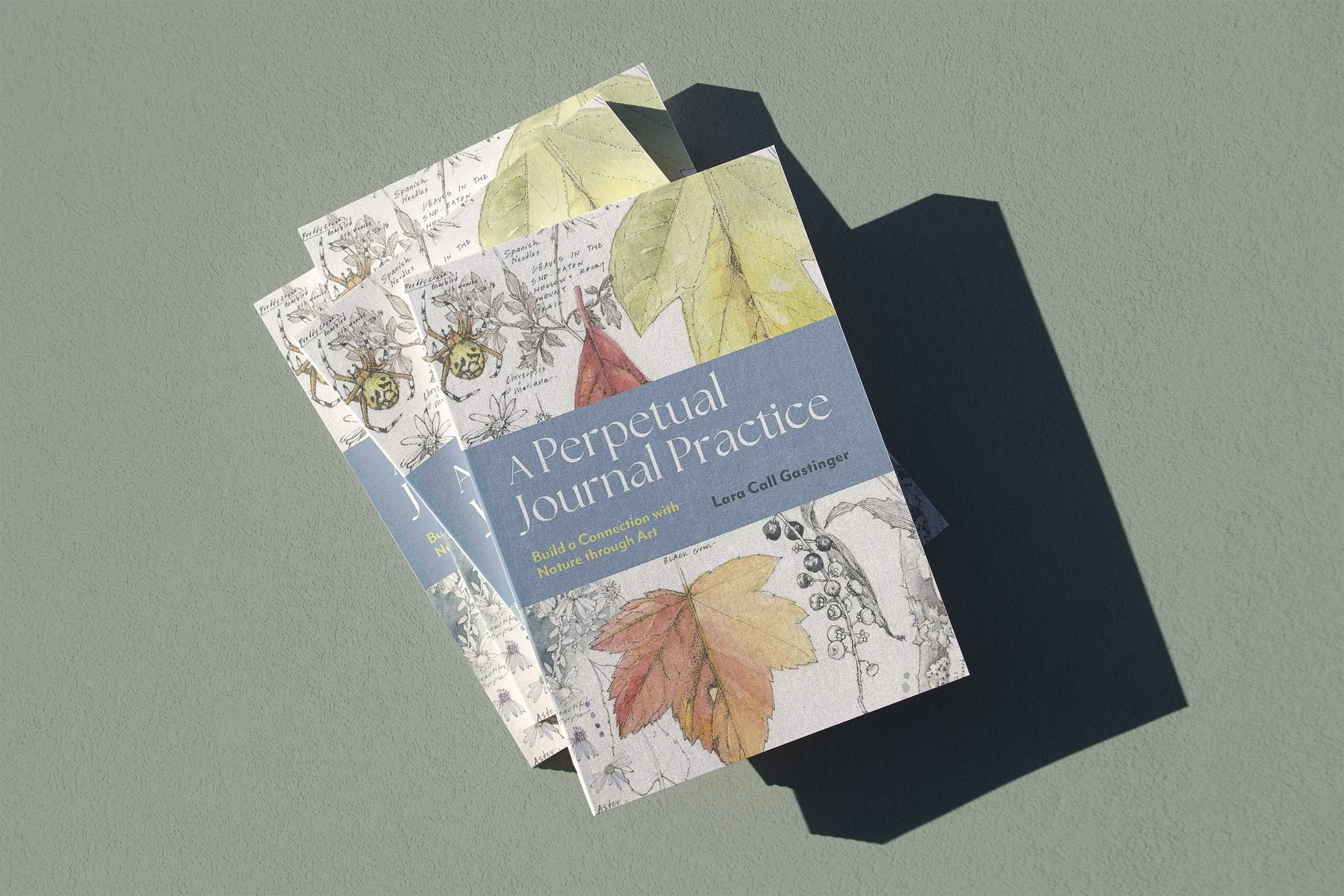
ABOUT THE BOOKDiscover the transformative practice of the perpetual journal—a forgiving— incremental approach to connecting with the natural world through drawing that builds year after year.
Book Tour and Events
November 2 - 2:00 Northside Library, book chat and demo
November 8 - Massachusetts Horticultural Society, Garden at Elm Bank, Wellesley Book sale
November 12 - 5-7 pm Oak Spring Garden Foundation, Upperville, VA
December 3 - Drink + Draw, Commerce Street Books (TBD)
Join me on Instagram Live at 11 am Eastern!
This approach demands little from you while offering profound rewards: improved drawing skills, deeper understanding of plant phenology and local ecosystems, and moments of meditative presence that slow down time. 
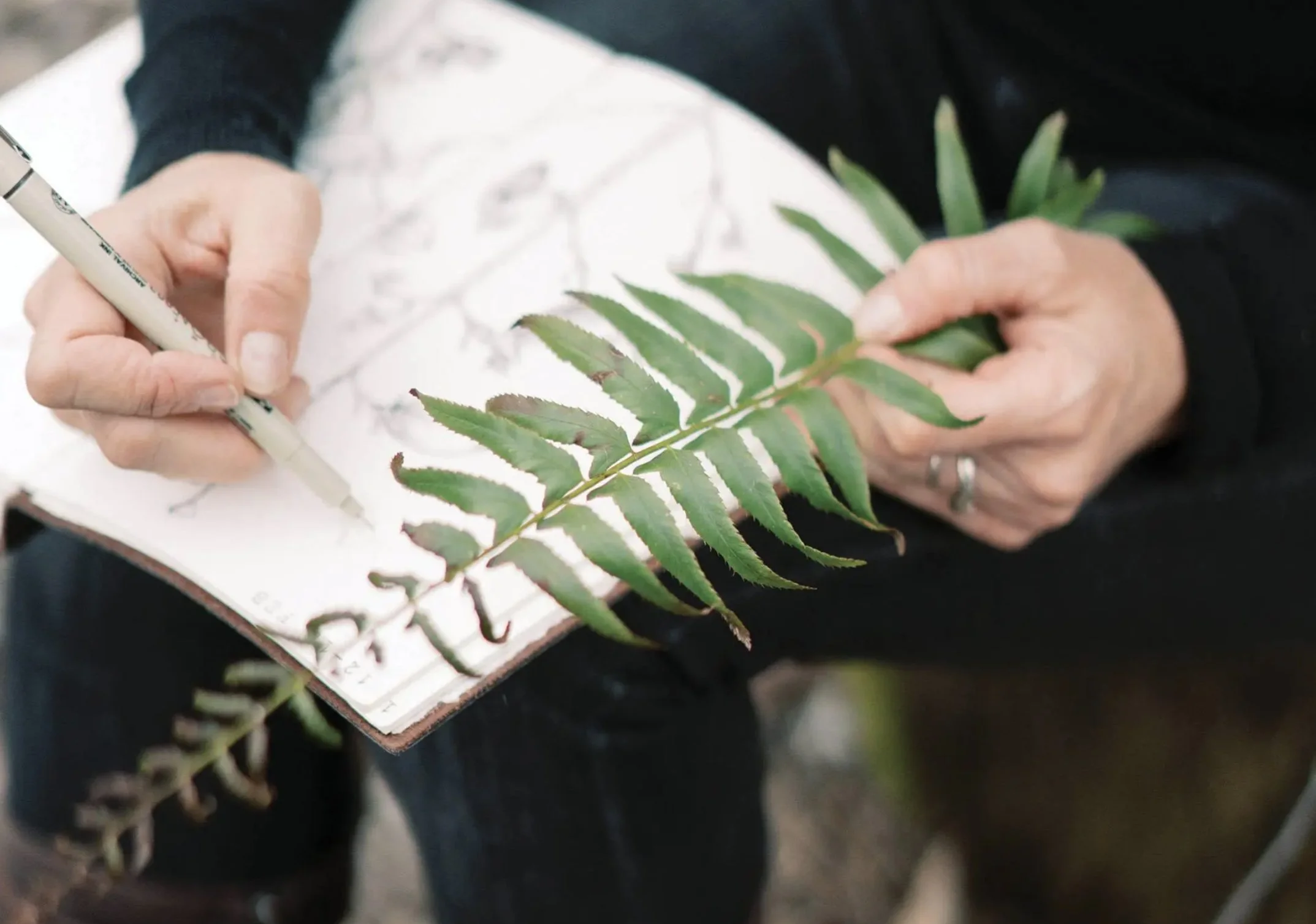
Whether you’re an artist, gardener, naturalist, or simply someone seeking a creative break from screens, the perpetual journal offers a living document that invites retrospection, fosters curiosity and wonder, and becomes a treasured record of both nature’s cycles and your own artistic development.
See examples of perpetual journals from around the world at instagram.com/a_perpetual_journal_practice and feel free to submit your own! I love seeing all the styles of drawing and connecting with nature.
HOW IT WORKS
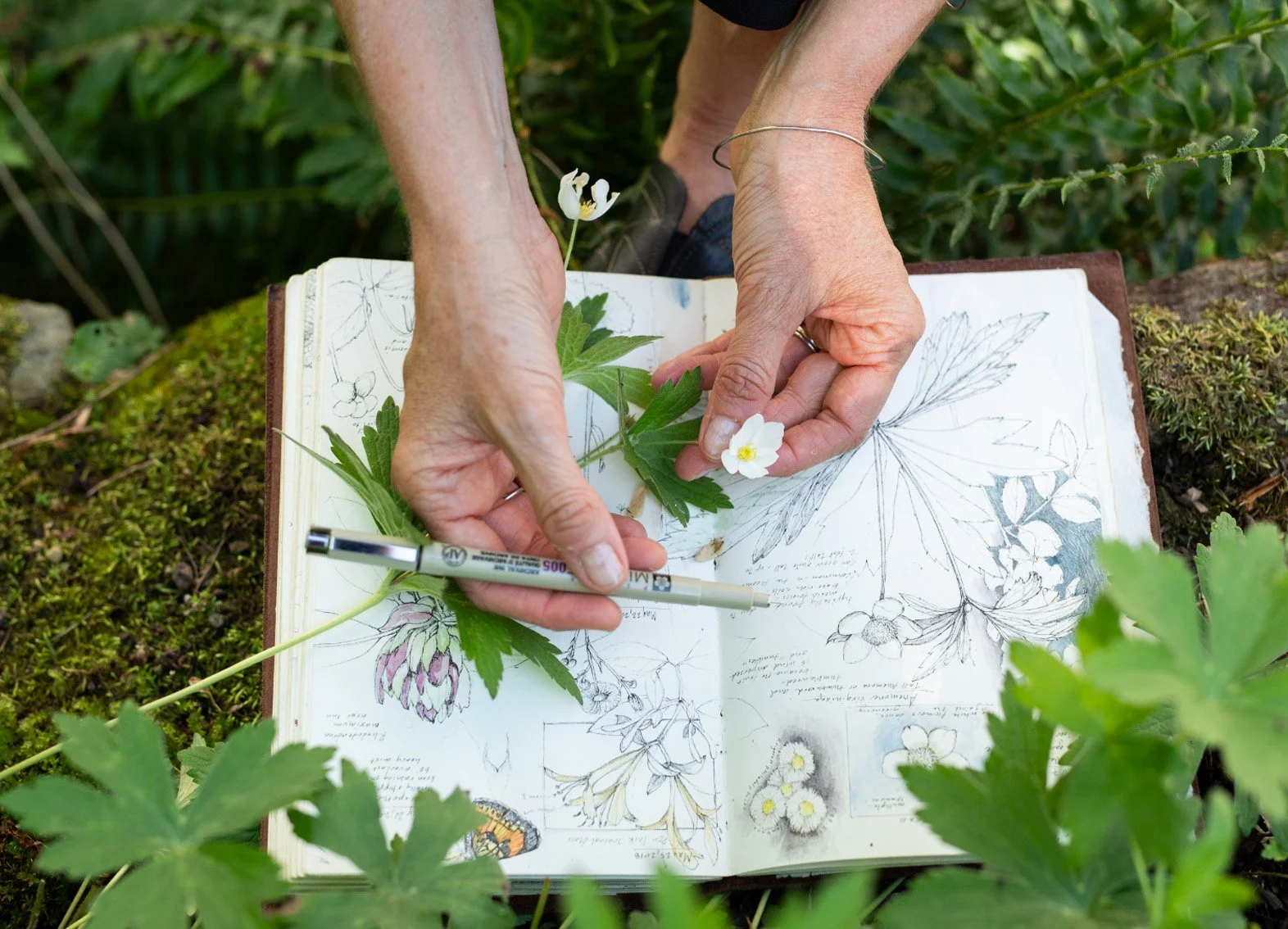
This technique was developed in 2001 and I have been keeping a perpetual journal since then. I actively promote and teach this process throughout the world. Join along on this simple and inspiring technique. Here is how you get started!
-
First, you need to obtain a blank journal that has at least 60 pages (spreads, which translates to over 100 pages). I purchase my handmade books from Lindsey Mears. I prefer a journal that has hot press (smooth) paper, at least 140 lb, and not spiral bound (so that I can cross over the gutter with my drawing). I think that a good size is 9 x 6 inches or something that is portable.
Suggested journals:
Wondercabin (etsy journal) use the numbering in my book!
Strathmore 500 series, hot press, soft cover, need to adjust numbering, each spread will have about 11 days of the week)
Stillman and Birn, Zeta series (each spread will have 14 days (2 weeks) )
-
Then it is time to date the pages. I suggest dating in pencil in the top corner until you figure out how you want to make it permanent. Each spread is labeled with specific number of days of the week depending on your journal (just the dates, not the years) in the top corner. I start with the calendar year and January 1-7 is on the first two pages in my wondercabin journal. Then January 8-15 and on until the year is labeled. You can use a stamp, calligraphy, or write it. Be creative!
-
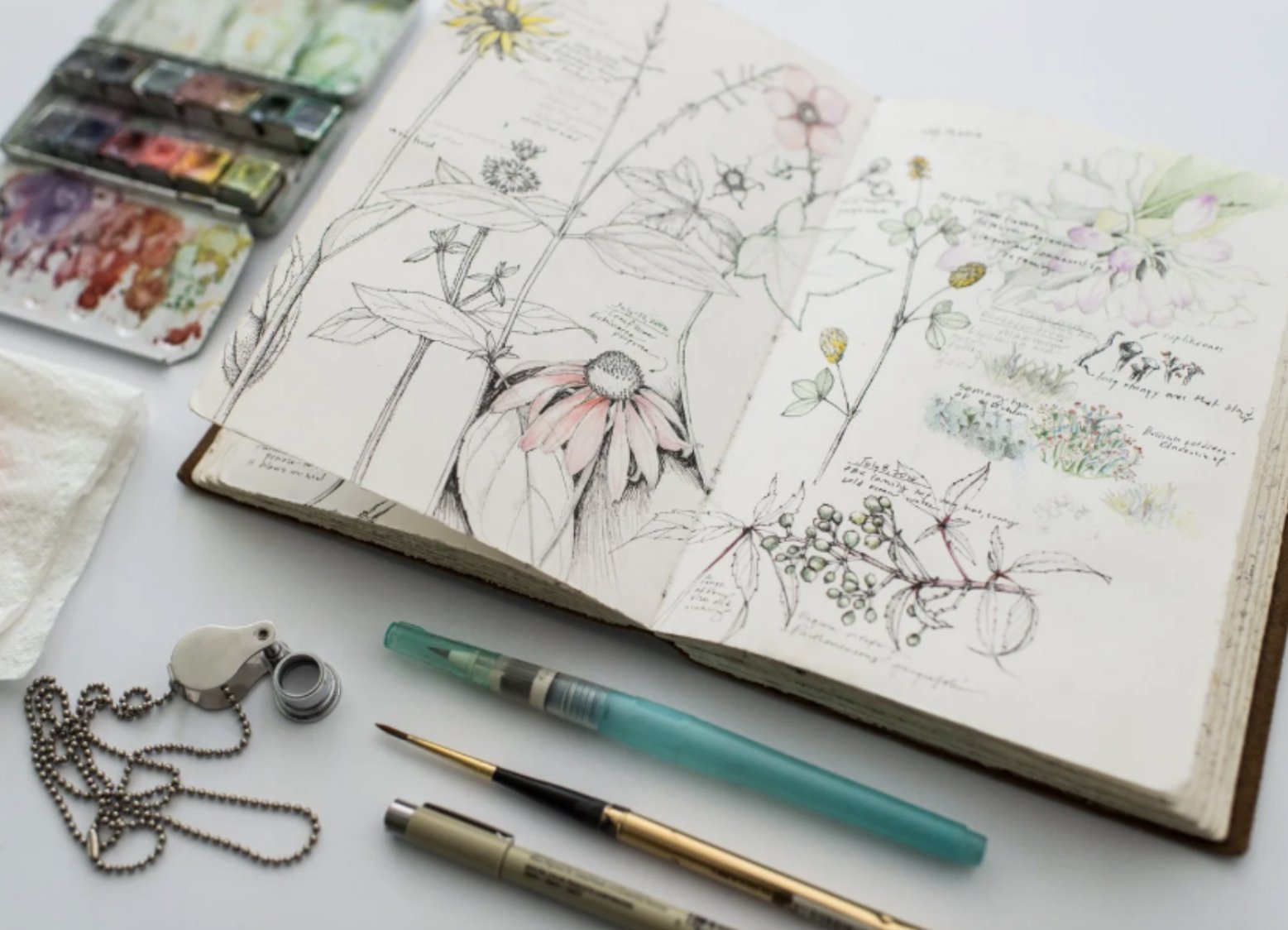
Description text I try to keep my supplies simple! The journal and the quality of the paper are most important. I only use pens and really enjoy Micron sepia ink pens (size 005) or Copic multi liners warm gray (size 01). Sometimes I add watercolor on top of my linework. Any watercolors that you have will work but I like small independent businesses like Arttoolkit, GreenLeafBlueberry, Beam paints, Woodward and Father, and Case for Making. I like the Niji, Faber-Castell, and Tombow small water brushes but there are many options out there.
-
You are ready to start! After dating the pages, you can start whatever the date is (no need to wait until January 1st!). Take a walk, collect a specimen (if allowed), take a photo, start small and make a note. Most important is to include the year when you add a drawing. Next year in the same week, add another observation until the spread is a rich weaving of multiple years. Start small and build up your artistic skills.
There is no need to create a masterpiece….just draw a quick pen sketch, or add detailed shading, add text, boxes, or even add color! There are no requirements and rules. This is your book and you can create your own style. Do not strive for perfection. This is a place where you can make mistakes.
-
If you are on Instagram, be use to use the hashtag #lgperpetualjournal and share your observations so I can see your work. Join my Patreon for detailed videos and more perpetual journal content. And be sure to tune into my live Instagram drawing sessions on Mondays at 11 am EST. I look forward to having you join along on this process.
PRAISE FOR THE BOOK“I didn’t imagine it would become such a rewarding and long-lasting record of the plants around my home or that there would be so many to record. A drawing a week is how it started, now I draw most days. It’s the place where I lose myself and find something that needs no words.”
-Judith
“If you are starting a new journal, take heart and don’t get bogged down with the ‘it’s not good enough’ thoughts. Next year I promise, you will be more confident and a better artist. You will see the improvement on your pages. Just stick with it…your better drawings will distract from the ones you are not so pleased with.”

-Louise 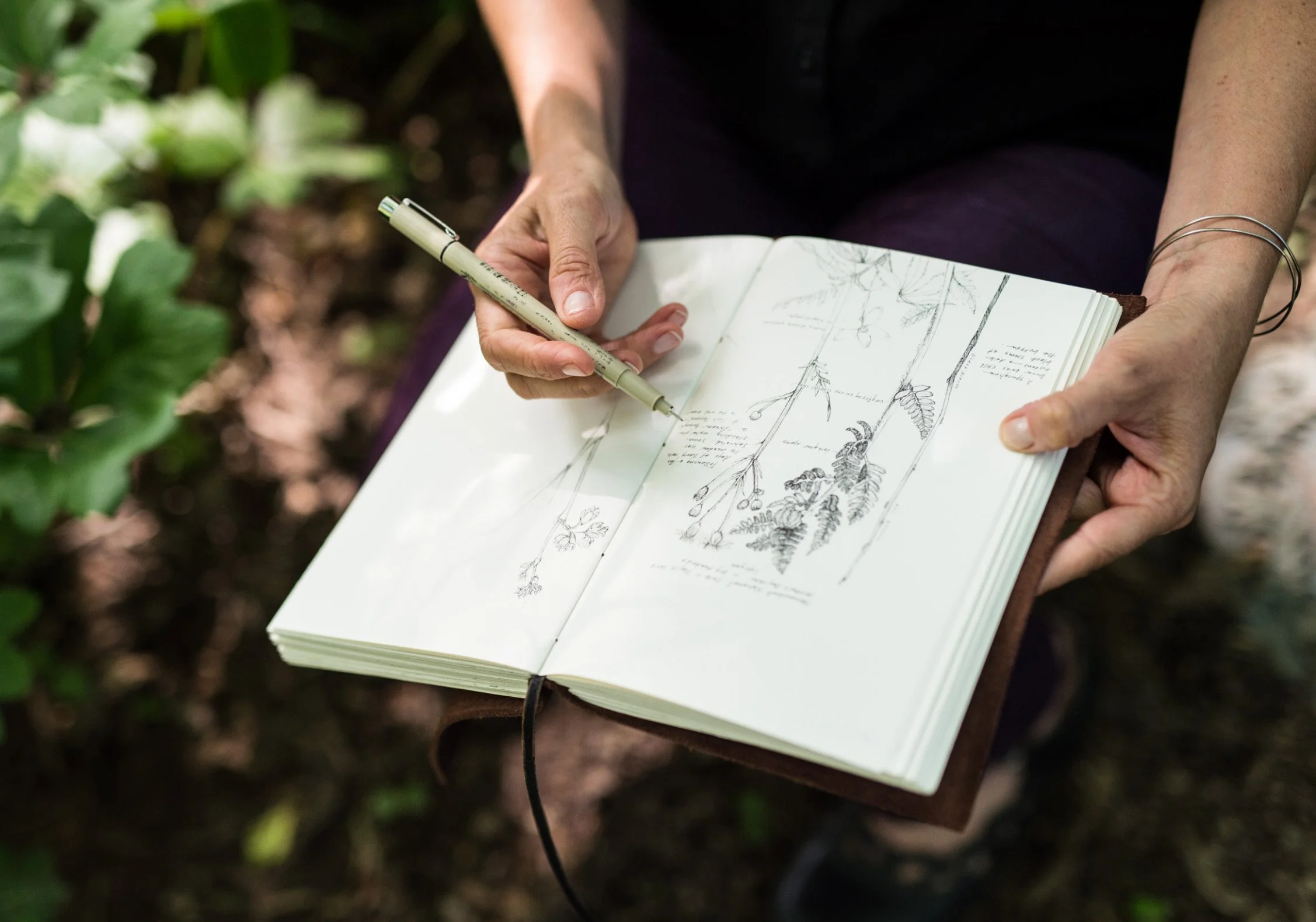
This process helps you become mindful, more curious, and connected to the natural world. And, along the way, you will become better at drawing and identifying plants!